Hernia Recurrence due to Encasement of Biological Mesh
Panoraia Paraskeva, Ali Zain Naqvi and Jacob A Akoh
DOI10.21767/2386-5180.1000128
Panoraia Paraskeva1, Ali Zain Naqvi2 and Jacob A Akoh3*
1Transplant Surgery, Derriford Hospital, Plymouth NHS Trust, UK
2Department of Surgery, Derriford Hospital, Plymouth NHS Trust, UK
3Department of General and Transplant Surgery, Derriford Hospital, Plymouth NHS Trust, UK
- *Corresponding Author:
- Jacob A Akoh
Consultant General and Transplant Surgeon/Associate Professor of Surgery
Derriford Hospital, Plymouth NHS Trust, UK
Tel: 441752432650
E-mail: jacob.akoh@nhs.net
Received Date: 14 October 2016; Accepted Date: 17 October 2016; Published Date: 19 October 2016
Citation: Paraskeva P, Naqvi AZ, Akoh JA. Hernia recurrence due to encasement of biological mesh. Ann Clin Lab Res. 2016, 4:4 doi: 10.21767/2386-5180.1000128
Abstract
A 76-year old male was electively admitted for recurrent incisional hernia. He had an obstructed umbilical hernia repaired 12 years ago, which became complicated with a persistent sinus. The infected mesh was removed and the defect repaired with biological mesh (Collamend) 18 months ago
Case Blog
Question: What is the condition illustrated in this picture?
Answer: Failure of a non-fenestrated biological mesh to integrate with surrounding tissues.
A 76-year old male was electively admitted for recurrent incisional hernia. He had an obstructed umbilical hernia repaired 12 years ago, which became complicated with a persistent sinus. The infected mesh was removed and the defect repaired with biological mesh (Collamend) 18 months ago. The hernia recurred and at surgery, a contracted biological mesh encased in a chronic seroma cavity was excised. A large pore synthetic mesh was used to repair the defect applying the sub-lay technique. Collamend is an acellular porcine dermal cross-linked matrix that is now fenestrated to allow tissue in growth (Figure 1).
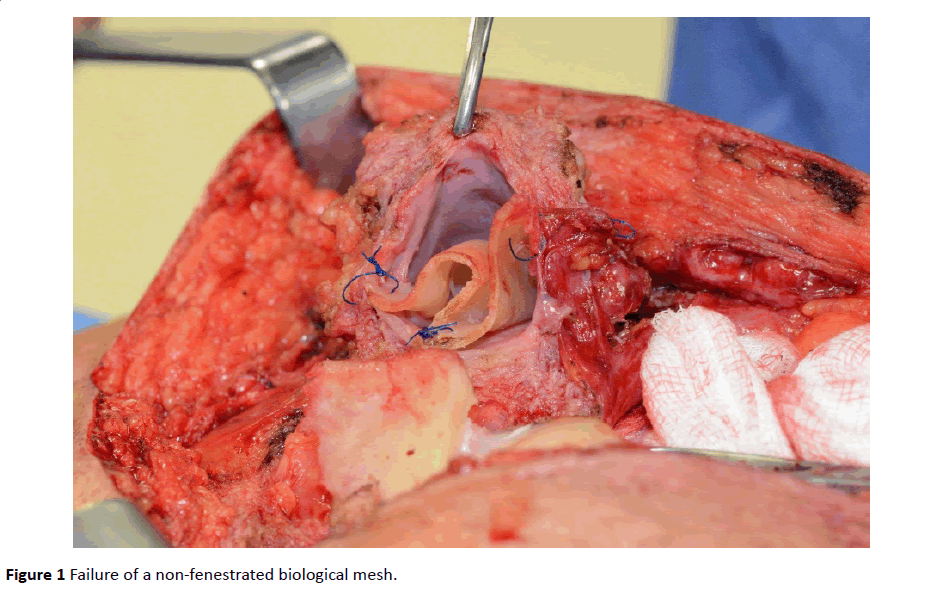
Figure 1: HPLC chromatogram of the nine reference compounds in 50% aqueous methanol, measured at 370nm. Retention times for rutin, sutherlandin A, sutherlandin B, kaempferol-3-O-rutinoside, sutherlandin C, sutherlandin D, quercitrin, quercetin and kaempferol were 11.9, 12.7, 13.8, 15.3, 16.2, 17.0, 18.0, 26.2 and 28.1 minutes, respectively.


Open Access Journals
- Aquaculture & Veterinary Science
- Chemistry & Chemical Sciences
- Clinical Sciences
- Engineering
- General Science
- Genetics & Molecular Biology
- Health Care & Nursing
- Immunology & Microbiology
- Materials Science
- Mathematics & Physics
- Medical Sciences
- Neurology & Psychiatry
- Oncology & Cancer Science
- Pharmaceutical Sciences